
It all begins with an idea.
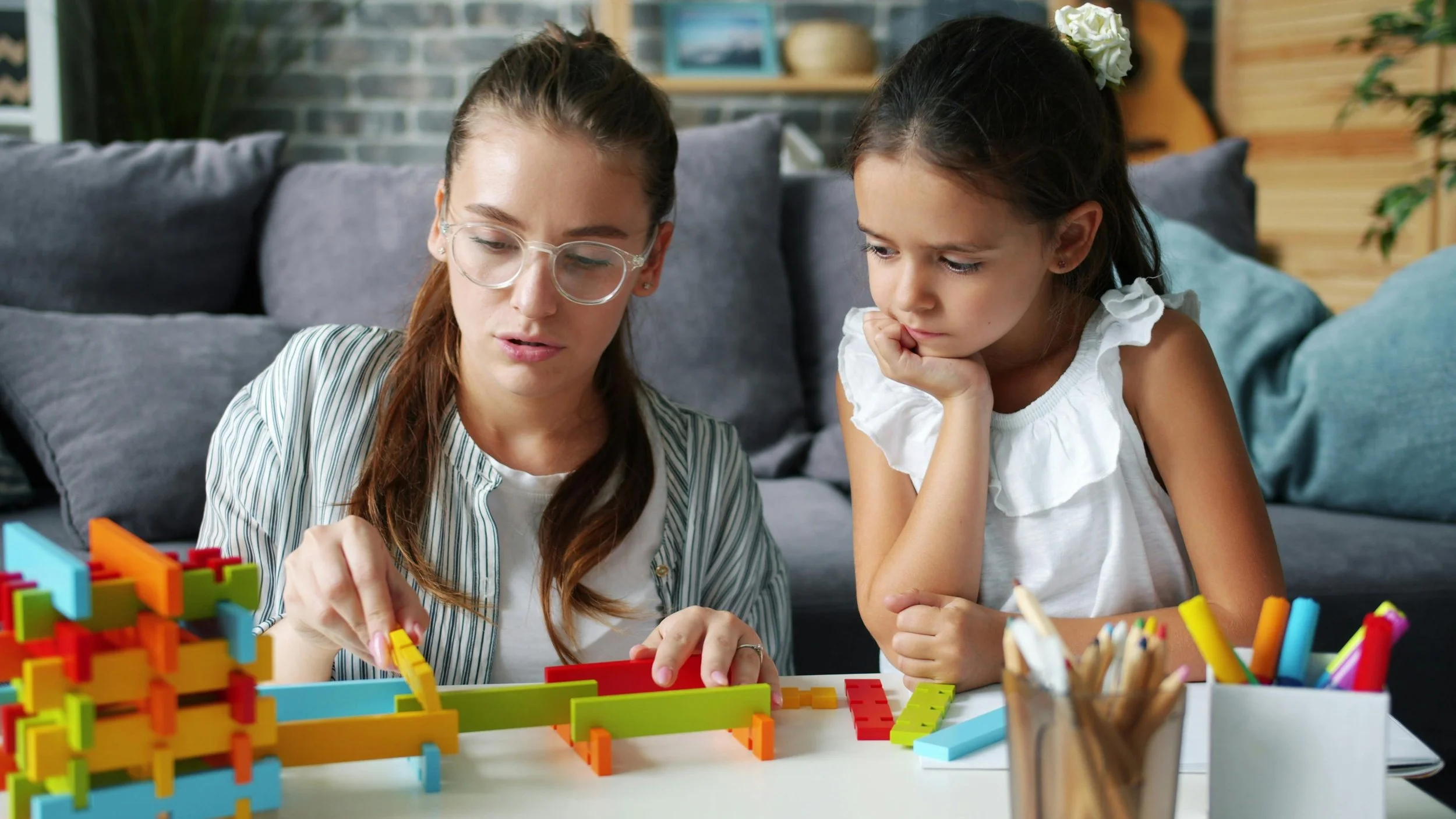
It's easy to think of ABA therapy as something that happens during a set number of hours each week, at a table, with materials, with a therapist guiding each step. But for families, the real story of progress usually unfolds somewhere else entirely.
It happens at the kitchen counter when your child finally asks for help instead of getting upset. It happens in the car when they wait a little longer than they could before. It happens during a busy morning when a routine that once felt impossible starts to feel familiar.
These moments don't always look big from the outside. But for families, they are everything.
What many parents don't see at first is that ABA is never meant to stay inside a therapy session. The session is where skills are introduced and practiced but the goal is always for those skills to move with the child into everyday life. That's where real independence starts to grow.
Sometimes that transfer is slow. A child might use a new skill perfectly with a therapist then not use it at all at home. That can feel discouraging. But it's also part of the process.
Learning to use a skill in different places, with different people, and at different times takes practice and patience.
This is why the home environment matters so much. When caregivers respond in similar ways, reinforce the same skills, and notice the small wins, it helps bridge the gap between therapy and real life. It turns "therapy progress" into "life progress."
And often, the biggest breakthroughs are subtle. A pause before a reaction. A word instead of a meltdown. A moment of connection where there used to be frustration.
ABA isn't just about what happens in session. It's about building a life where skills are useful, flexible, and meaningful in the places that matter most.
For many families, that's where hope starts to feel real; not in a perfect session, but in an ordinary moment at home that suddenly feels a little easier than it used to.
